For decades, a PDF attached to an email counted as an "electronic invoice" in Germany. That era is ending. With the Wachstumschancengesetz, Germany has made structured electronic invoicing mandatory for business-to-business transactions — and the most important deadline is now less than three months away.
- 1 January 2027: companies with more than €800,000 prior-year revenue must send e-invoices
- 1 January 2028: all B2B companies must send e-invoices
- 10% of companies have a fully working e-invoicing solution (RSM Ebner Stolz, July 2026)
- 81% say Germany is not adequately prepared (VeR survey, 2026)
Three phases, not one deadline
The obligation is introduced in stages:
| Since / from | What applies |
|---|---|
| 1 January 2025 | Every company must be able to receive and process e-invoices. |
| Until 31 December 2026 | Transition period: paper and PDF invoices may still be sent (PDF only with the recipient's consent). |
| 1 January 2027 | Companies with more than €800,000 revenue in the previous year must send e-invoices. |
| 1 January 2028 | All companies must send e-invoices in B2B transactions, regardless of size. EDI procedures must also meet the new requirements. |
The rules apply to domestic B2B transactions between companies established in Germany. Invoices to consumers and small-amount invoices up to €250 are exempt.
What counts as an e-invoice — and what doesn't
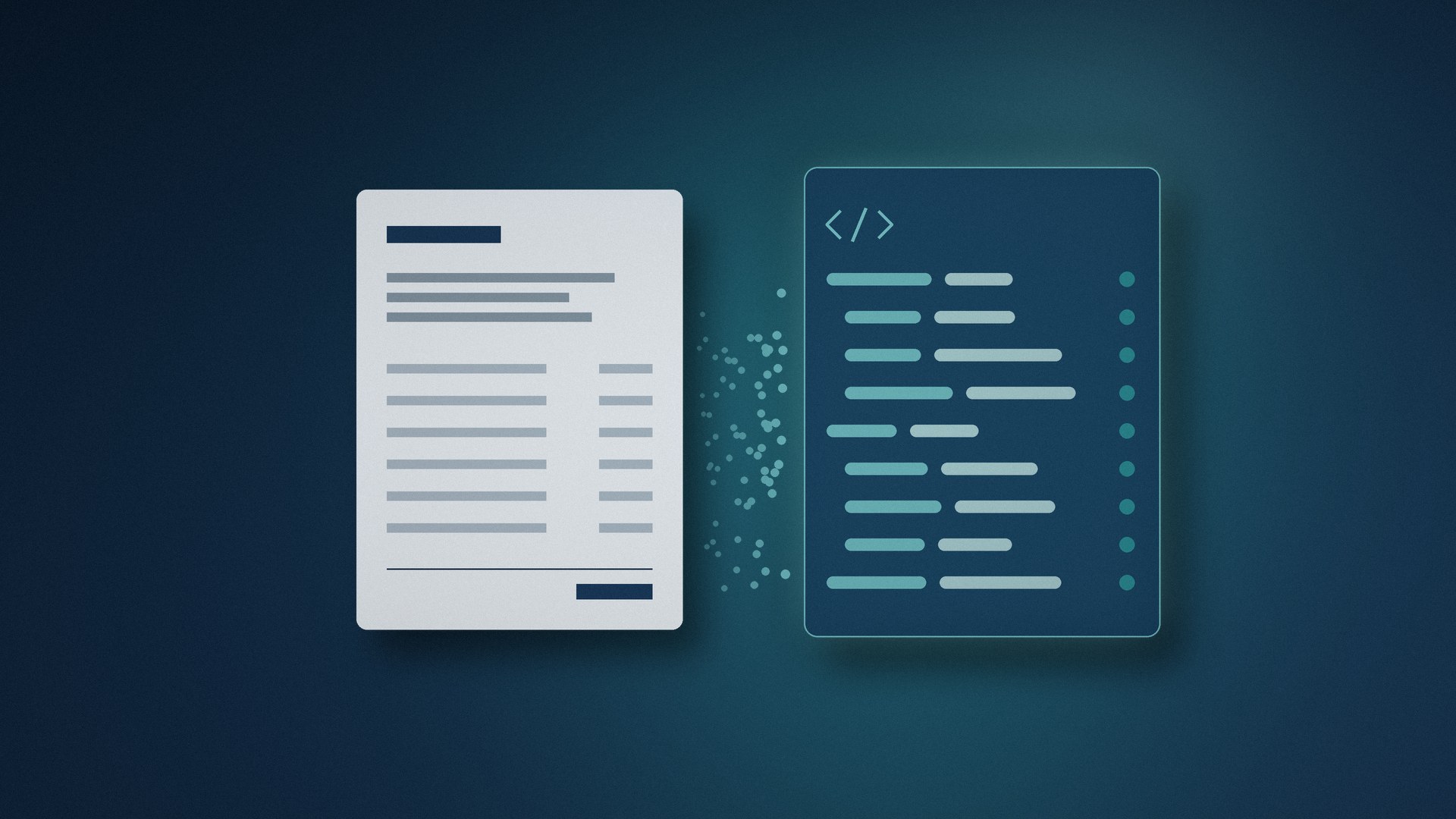
An e-invoice is not a PDF. It is a structured data file that software can read and process automatically, compliant with the European standard EN 16931. In practice, two formats dominate:
- XRechnung — a pure XML format, already standard for invoices to public authorities.
- ZUGFeRD (version 2.0.1 or later, profile EN 16931 or higher) — a hybrid format: a readable PDF with an embedded XML file. The XML is the legally relevant part.
A scanned invoice, a Word document or a "normal" PDF will no longer be a valid invoice for companies covered by the obligation.
How ready are German companies?
Not very. A survey by RSM Ebner Stolz among around 870 companies (July 2026) found that only 10% have a fully functional e-invoicing solution — 90% are still working on it or haven't started. A 2026 survey by the Verband elektronische Rechnung (VeR) paints a similar picture: 81% of respondents rate Germany's state of preparation as rather poor, and 69% feel poorly or not at all informed about the upcoming EU reporting requirements.
At the same time, companies that have started see value beyond compliance. In a Sage study among its customers, 98% see e-invoicing as an opportunity to automate processes, even though 42% reported concrete problems during implementation.
What's at stake
- Input tax deduction: if you receive an invoice that doesn't meet the requirements, your input VAT deduction can be at risk. Your suppliers' readiness becomes your problem.
- Process bottlenecks: companies that receive XML files but still process them manually lose the efficiency gain — and risk errors.
- Archiving: e-invoices must be stored in their original structured format for the statutory retention period, unaltered and machine-readable.
The next step is already in sight
E-invoicing is only the first stage. With the EU package "VAT in the Digital Age" (ViDA), cross-border B2B e-invoicing combined with near real-time digital reporting to tax authorities is planned from July 2030. Around 30% of companies say they cannot yet assess what that will mean for them. Companies that set up structured invoice processes now will be ready for both.
Checklist: what to do before January 2027
- Check your revenue threshold: was your 2026 revenue above €800,000? Then you must send e-invoices from 1 January 2027.
- Test receiving: can your accounting system read XRechnung and ZUGFeRD — and does anyone actually process them?
- Choose your sending solution: ERP module, accounting software or a specialised e-invoicing service.
- Clean up master data: customer data, VAT IDs, order references and buyer references must be correct; structured invoices are rejected for missing fields.
- Talk to your suppliers and customers: agree formats and channels (email, portal, Peppol).
- Set up compliant archiving.
- Think beyond compliance: use the switch to automate invoice checking, approval and posting.
Conclusion: the e-invoice is not an IT project for the last week of December. Companies that start now can turn a legal obligation into a faster, cleaner finance process. Those who wait risk rejected invoices, payment delays and tax problems.
This article provides general information and does not constitute tax or legal advice.